


Industry and machining: keys to be competitive today
The current environment is characterized by an unprecedented level of complexity and uncertainty. Factors such as geopolitical tensions, changes in supply chains, technological transformation or the impact of climate change are redefining the framework in which the industry operates.
In this context, It is increasingly evident that we are facing a process of global reconfiguration that directly affects industrial competitiveness.. Globalization does not disappear, but it is evolving towards more fragmented models, where new economic poles emerge and relationships between markets are redefined.
A more complex and demanding environment for the industry
Traditional analysis models, based on predictable environments, have been surpassed. The current reality requires incorporating new variables such as the acceleration of changes, the simultaneity of crises and constant uncertainty.
For the industrial sector, and especially for areas such as machining, This means operating in an environment where:
- Cost volatility (especially energetic) is constant
- Strategic decisions are increasingly conditioned by external factors
- The ability to adapt becomes a differential element
Technology and geopolitics: new strategic axes
The technology, and in particular artificial intelligence, has ceased to be a tool and has become a key strategic element. Its impact not only affects productivity, but also to the competitiveness and positioning of companies in the global market.
At the same time, Geopolitics gains prominence in business decision-making. The stability of the markets, access to resources or the location of production are increasingly influenced by geostrategic factors.
The importance of anticipating: towards a prospective vision
In this stage, Industrial companies must evolve from reactive models towards more anticipatory approaches. It's not about predicting the future, but to identify possible scenarios and prepare for them.
Strategic foresight allows:
- Anticipate risks and opportunities
- Improve decision making
- Strengthen organizational resilience
- Adapt strategy to a changing environment
This approach is key for sectors such as machining, where planning, investment and operational efficiency are decisive.
New priorities for industrial competitiveness
The transformation of the global environment is driving profound changes in the way companies operate. Among the main trends are:
- Digitization and automation as efficiency levers
- Integration of artificial intelligence in production processes
- Risk management with a global and structured vision
- Sustainability as a strategic axis, beyond regulatory compliance
- Talent attraction and loyalty as a critical rect
- Operational flexibility to adapt to demand
Leadership and adaptation in a context of change
Faced with this new scenario, leadership capacity takes on special relevance. Organizations need profiles capable of interpreting the environment, make decisions under conditions of uncertainty and guide activity towards sustainable objectives over time.
At a time when challenges are increasingly complex, the industry must commit to a strategic vision, collaborative and oriented towards continuous adaptation.
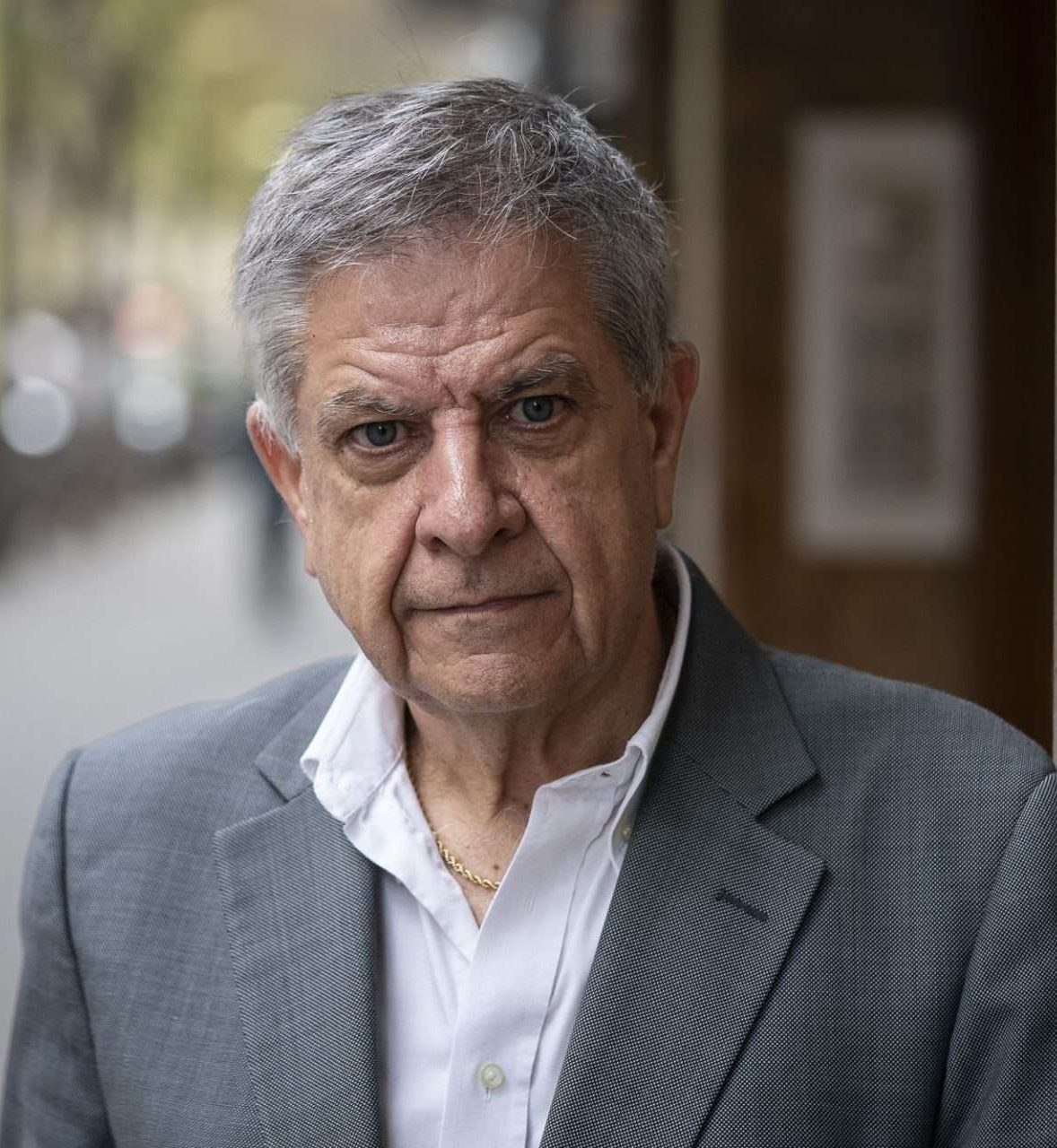
Marcos Urarte
Industrial Engineer from the Polytechnic University of Catalonia and Systems Engineer from the University of Fujitsu Limited in Tokyo (Japan). Guest professor at the main Business Schools, destacando del Massachusetts Institute of Technology (WITH), from the National University of Singapore (NUS) and the prestigious 'Oxford Scenarios Planning Approach' Program.
In a study published by Harvard, the following mention is made: “Professor Urarte in his latest studies provides a series of the most innovative ideas, fresh and disruptive about the business world, of the last five years, which makes it an essential reference to understand what is happening and will happen”.
FORBES Magazine, has identified him as one of the main 'futurists' of Spain. IFTF member (Institute for the Future), participate, as independent director and Senior Advisor, on various Boards of Directors, Boards of Directors and Advisors of prestigious companies.
He belongs to the Strategic Reflection Group of the Defense Staff, to the Strategic Prospective Commission of the Institute of Strategic Studies of Spain (IEEE). Cross of the Order of Merit of the Civil Guard. World Bank Collaborator, of the Development Bank of Latin America (CAF) and the World Economic Forum (WEF) – Davos Forum.


